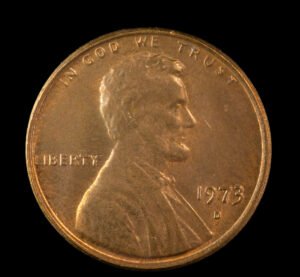
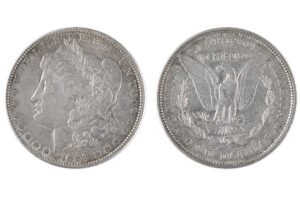
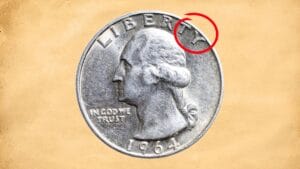
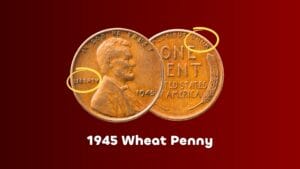
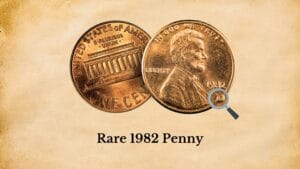
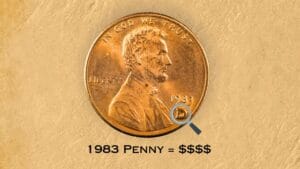
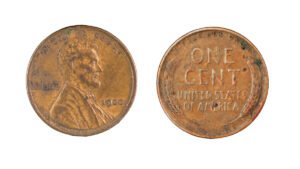
Error coins are misunderstood by most people. A tiny minting mistake, like a doubled mint mark on the front or a line on the back, and they think it’s worthless. But the truth is that the same small mistake can turn a cent coin into a $25,000 coin.
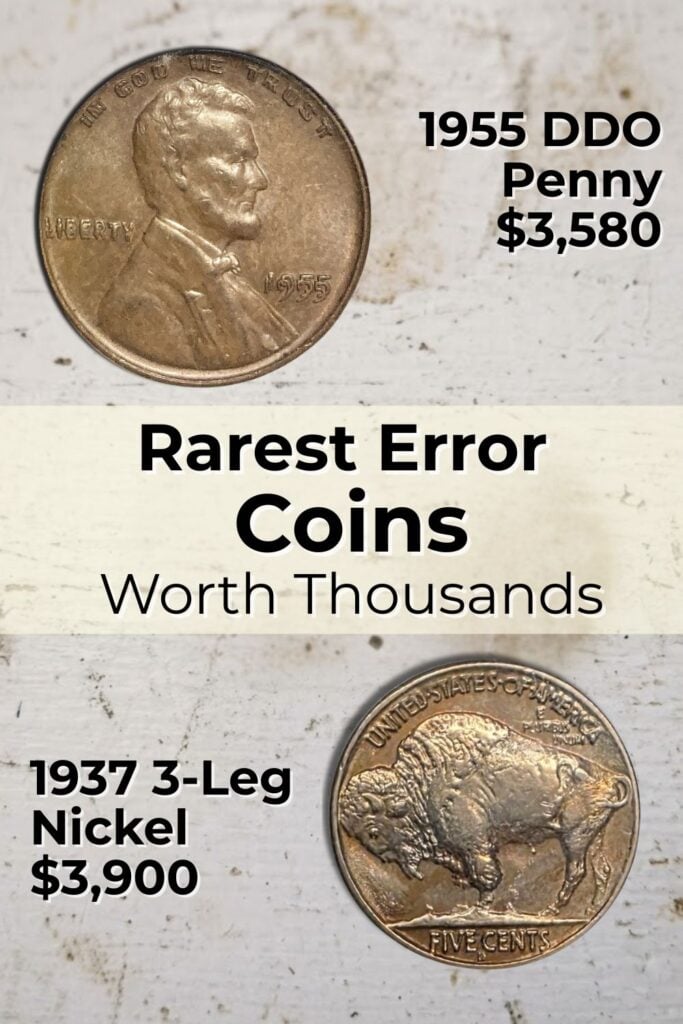
These errors often show up in pocket change, coin jars, and inherited collections today. The 10 finds below cover the rare coin error types collectors chase, with their collector values and key features to look for!
What Counts as a Coin Error?
A mint error is a mistake made at the mint, before the coin leaves the building. The main types of mint errors include:
- Doubled Die: The die itself was made with a doubled image, so every coin struck from it shows crisp, rounded doubling on letters or numbers.
- Off-Center Strike: The planchet sat off-center in the press, leaving part of the design missing and a blank crescent on one side.
- Wrong Planchet: A coin was struck on a blank meant for a different denomination or metal, like a 1943 bronze cent or a cent struck on a dime blank.
- Rotated Die: One of the dies was loose and turned, so the reverse points in the wrong direction relative to the obverse.
- Missing Edge Lettering: The coin skipped the edge-lettering step and came out with a smooth, blank edge.
- Die Crack or Cud: A cracked or broken die left a raised line or blob of metal on the coin’s surface.
Post-mint damage, meaning scratches, gouges, and wear that happened after the coin was released, is not an error and adds no value.
The most valuable errors usually show two features: first, the mistake is visible without a microscope. Second, it’s rare enough that grading services have documented only a handful of examples.
10 Rare Coin Errors Every Collector Must Add to Their Collection
1
1955 Doubled Die Obverse Lincoln Cent
Typically sells for $1,000 to $18,000+
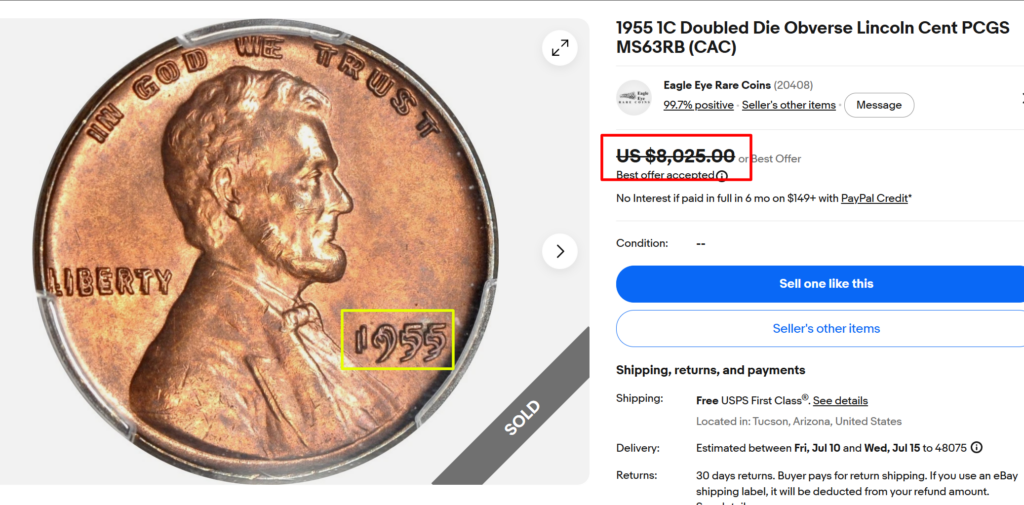
- Error Type: Doubled Die Obverse (FS-101)
- Metal: 95% copper
- Key ID: Strong doubling on LIBERTY, IN GOD WE TRUST, and the date
This Double Die error is among the most renowned among American numismatists. Around 24,000 of these error 1955 cents were in circulation, most of them handed out as change in cigarette packs in New England.
The doubling is dramatic enough to be seen with the naked eye. Circulated examples routinely bring four figures, and PCGS MS65+RD examples reach over a whopping $250,000.
2
1937-D Three-Legged Buffalo Nickel
Typically sells for $500 to $100,000
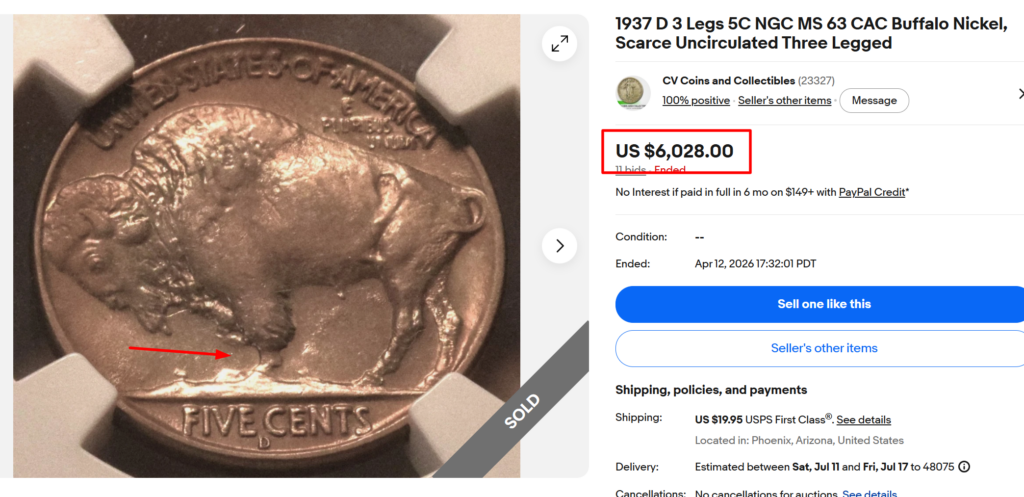
- Error Type: Misprint
- Metal: 75% copper, 25% nickel
- Key ID: Missing front leg, hoof still present
This error occurred when an over-polished reverse die at the Denver Mint removed the bison’s front right leg between the hoof and the body. The hoof is still there, which is one of the key signs for authentication.
Around 10,000 to 20,000 pieces were made before the die was pulled, so prices stay high.
3
2000-P Sacagawea “Cheerios” Dollar
Typically sells for $3,000 to $13,000+
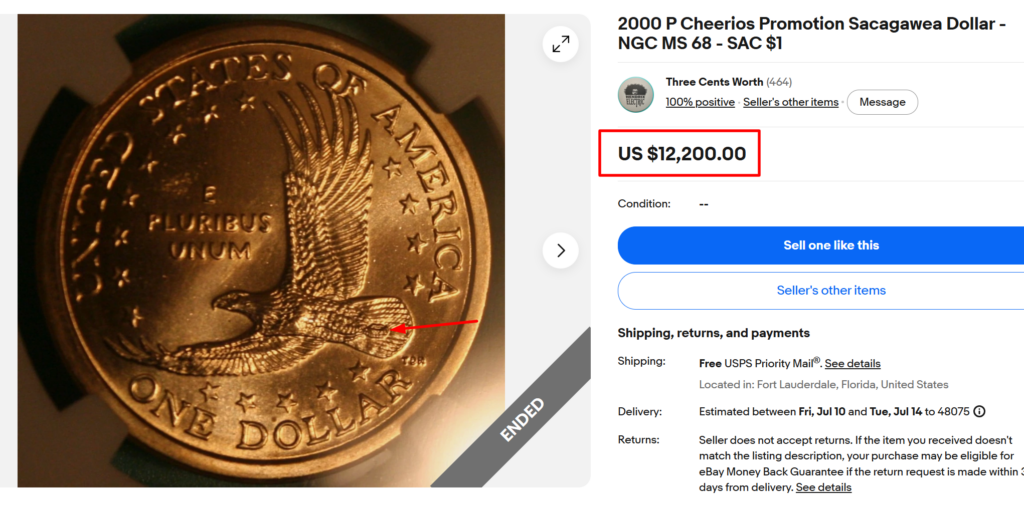
- Error Type: Design variation
- Material: Manganese brass over copper
- Key ID: Diagonal, detailed eagle tail feathers
General Mills promoted the new Sacagawea dollar by putting one in every 2,000 boxes of Cheerios in early 2000. Nobody realized until 2005 that the coins used a special reverse die with sharper, diagonal tail feathers on the eagle.
Around 5,500 were distributed, and only about 80 have been confirmed so far, making it extremely rare.
4
1851-D Gold Half Eagle, $5 Gold Liberty, Rotated Die Error!
Typically sells for $2,500 to $5,000+
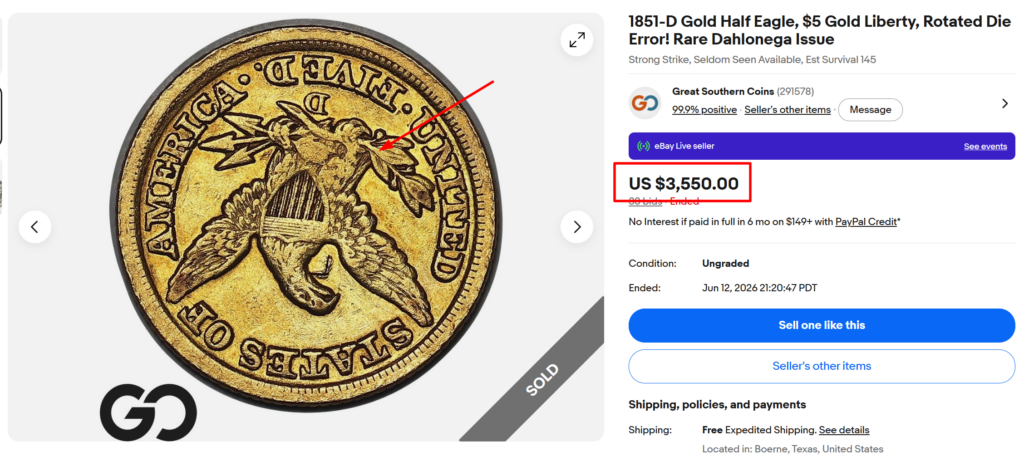
- Error Type: Rotated Die Error
- Material: 90% gold, 10% copper
- Key ID: Reverse rotated off standard alignment
A $5 gold Liberty struck at the Dahlonega Mint in Georgia, with the reverse rotated well off the standard 180-degree alignment. Rotated die errors happen when a die works loose in the press and shifts during striking.
Dahlonega gold is scarce to begin with, with around only 145 survivors of this date. Paired with a visible die rotation, this coin makes for a serious rarity.
5
1995 Doubled Die Obverse Lincoln Cent
Typically sells for $30 to $3,000
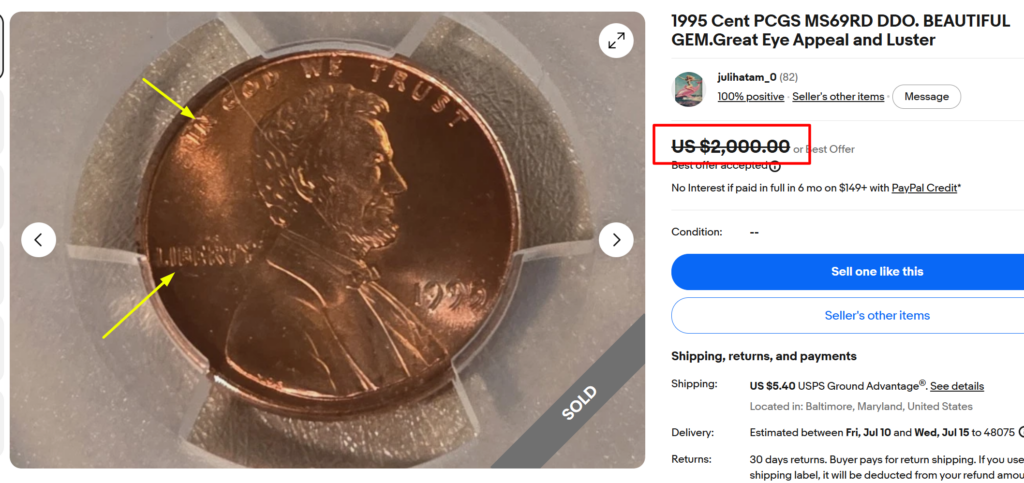
- Error Type: Double Die Obverse
- Material: Copper-plated zinc
- Key ID: Doubling on LIBERTY and IN GOD WE TRUST
- Note: Date shows no doubling on genuine examples
The first major new doubled die Lincoln cent was discovered in over a decade. Doubling shows clearly on LIBERTY and IN GOD WE TRUST, though not on the date.
Copper Red uncirculated examples in MS-68 have sold for over $3,000, while raw circulated pieces still trade in the $30 to $75 range. It’s one of the more affordable modern DDOs to add to a collection.
6
2004-D Wisconsin Extra Leaf Quarter
Typically sells for $50 to $6,000
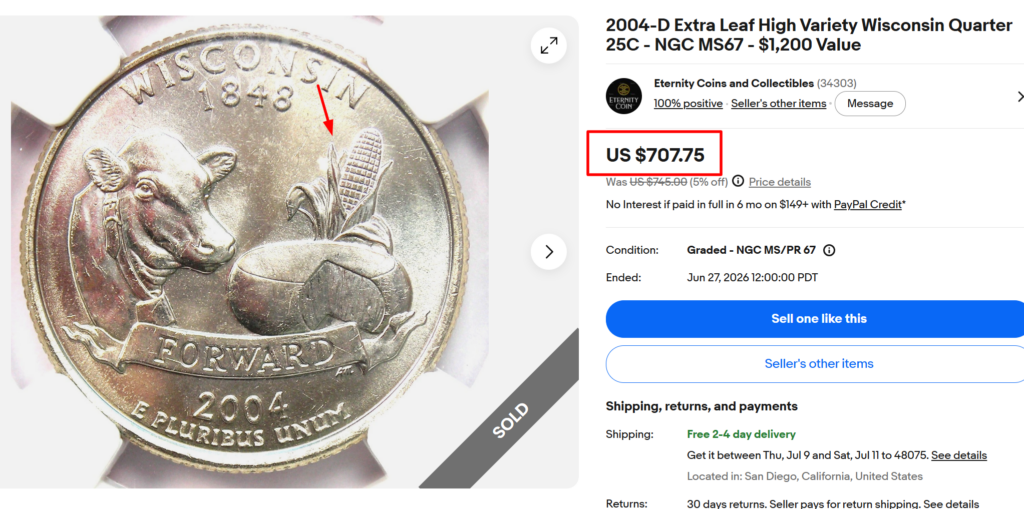
- Error Type: Misprint
- Metal: Copper-nickel clad
- Key ID: Extra leaf pointing high or low on the cornstalk
This error on a 2004-D Wisconsin quarter shows an extra leaf on the back. Two versions exist: the “extra leaf high” points up and away from the corn husk. The “extra leaf low” points down toward the wheel of cheese.
Both were caused by a die gouge at the Denver Mint, possibly done on purpose by a mint worker. Circulated examples show up in pocket change and sell in the $50 to $150 range; graded examples can reach up to $5,000.
7
1969-S Doubled Die Obverse Lincoln Cent
Typically sells for $400 to $126,500
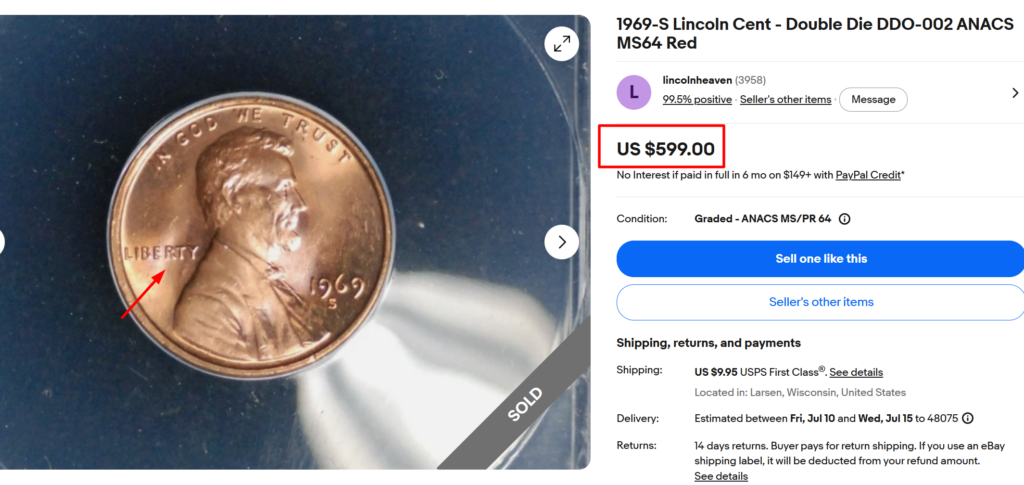
- Error Type: Doubled Die Obverse
- Metal: 95% copper
- Key ID: Strong doubling on LIBERTY, IN GOD WE TRUST, and the date
Fewer than 50 authentic examples are known, which makes this 1969 error coin the holy grail of modern Lincoln cents. The Secret Service actually destroyed thousands of counterfeit versions in the early 1970s, so genuine coins are scarcer.
The doubling shows on the date, LIBERTY, and IN GOD WE TRUST, but the S mint mark is always clean because it was punched by hand later.
8
1972 Doubled Die Obverse Lincoln Cent
Typically sells for $250 to $21,000
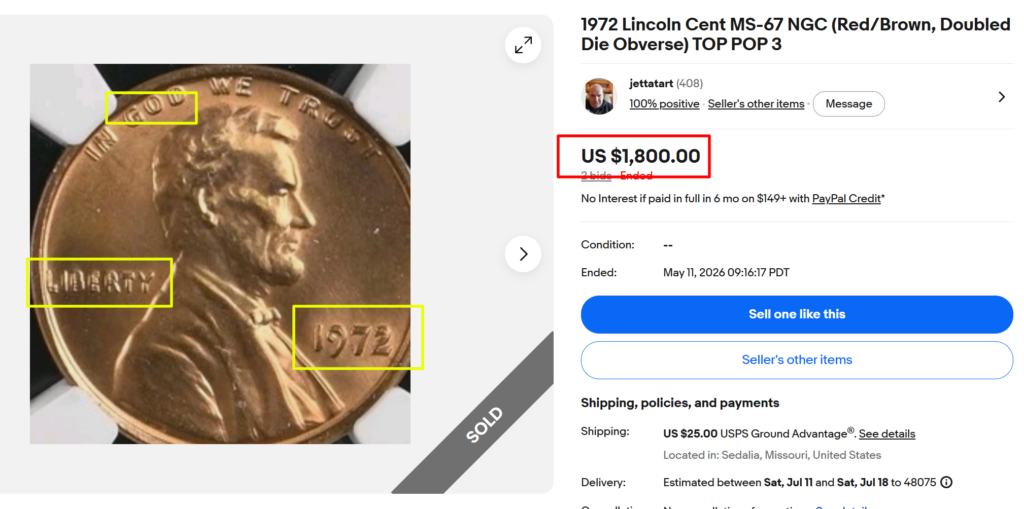
- Material: 95% copper, 5% zinc
- Error: Bold doubling visible without a loupe
- Collector Notes: Only the FS-101 variety carries major value
This error penny shows strong, obvious doubling across LIBERTY, IN GOD WE TRUST, and the 1972 date. The FS-101 variety is the one collectors want, with graded MS-66 RD examples reaching $20,000+. Circulated examples are commonly traded on eBay in the $250 to $500 range.
9
1943 Steel Lincoln Cent
Typically sells for $2,000 to $8,000+ (MS-67 and higher)
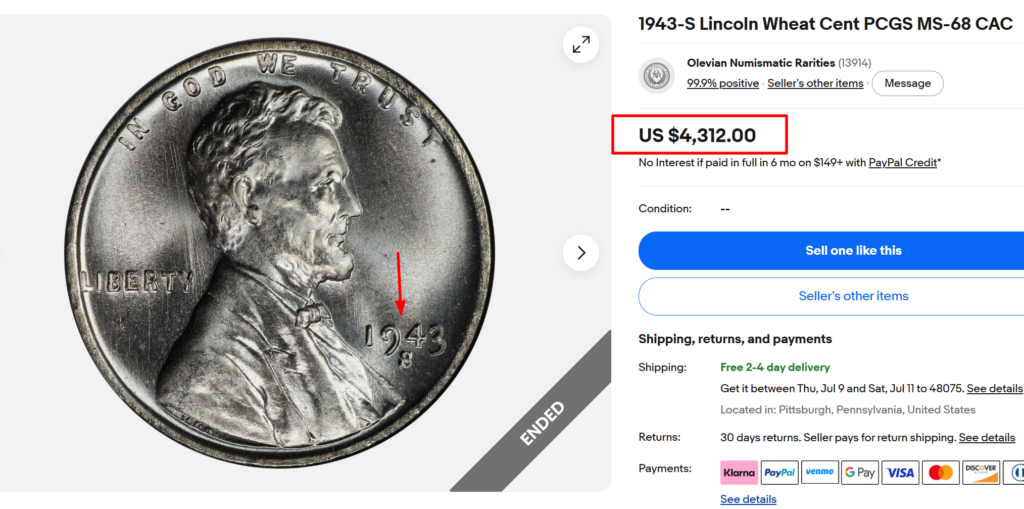
- Error Type: Wrong planchet
- Material: Zinc-coated steel
- Key ID: Struck on the steel planchet
Most 1943 steel cents are worth a dollar or two, but survivors in gem uncirculated condition are worth a lot today. Rust and corrosion took most of these out of high grade decades ago, so PCGS MS-68 examples with CAC approval are genuinely scarce.
10
1944 Steel Lincoln Cent
Typically sells for $75,000 to $400,000+ (graded)
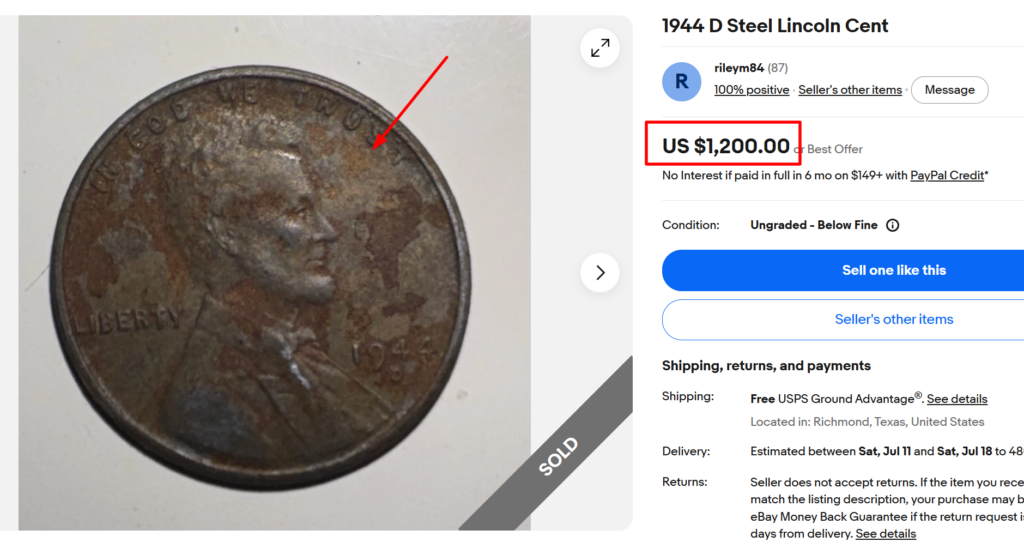
- Error Type: Wrong planchet
- Material: Zinc-coated steel
- Key ID: Silvery-gray color, weighs 2.7 grams
This is the reverse of the 1943 penny error. When the Mint switched back to copper in 1944, a few 1943 steel planchets remained in the presses and got struck with 1944 dies.
Only about 30 authentic examples exist across all three mints. The magnet test is the fastest identifier, since real 1944 steel cents will stick.
Note: This article is intended for informational, educational, and entertainment purposes only. Some images are illustrative and may not represent actual brands, products, or related entities. All trademarks, product names, brand logos, packaging, and other intellectual property referenced remain the exclusive property of their respective owners. Any brand mentions or references are provided solely for descriptive and educational context and do not imply any formal or commercial association.