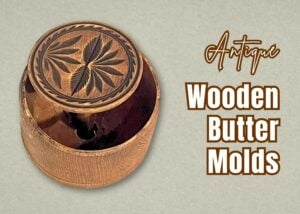
Antiques Know How Research
Antique Wooden Butter Molds Value
As per the recent eBay sales analyzed by our Antiques Know-How team, antique wooden butter molds usually sell for $15–$150, with rare pre-1880 pieces fetching up to $300. Some rare collectibles are the Early Carved Cow mold, American Eagle molds, Lollipop Paddle stamps, Multi-Print Blocks, Beaver stamps, Hinged molds, and Roller molds. Check the age, hand-carving quality, design, wood type, and condition to identify and value.
Antiques Know How
Remember those wooden stamps used to create unique art forms on butter blocks? You might be surprised to learn that these butter molds are not only used in the kitchen but are also collectors’ items worth a small fortune.
However, it is difficult to assess which of these wooden butter molds is antique and of value. That is where this guide can help you.
Read further to get some quick tips on identifying antique wooden butter molds, what affects their value, and some of the rare ones.
How to Identify Antique Wooden Butter Molds?
As wood is a common material, identifying an authentic antique wooden butter mold requires close attention. Here are the key factors that will help you determine whether your butter mold is authentic.
Age
The oldest hand-carved butter molds date back to the early 1800s. These were made entirely by hand without lathe assistance. A key turning point is the late 19th century. Before that, molds were hand-turned on a lathe and hand-carved individually.
After roughly 1880–1890, factories began mass-producing them with machines. Most butter mold examples in circulation today date from the mid-1800s to the early 1900s.
Tracing the age is important because earlier molds are generally more valuable. However, age alone doesn’t guarantee high prices.
Hand-Carving Quality
The carving is easily the most important clue for dating and valuing wooden molds. Pre-1880 molds were almost always hand-carved, even when the wooden blank was lathe-turned. And you can clearly identify that hand-finishing.
Run your finger along the carving. Genuine early pieces will have small differences in depth in the carving and edges, while mass-produced items from the 20th century and later will have uniform, less detailed shallow cuts.
Totally hand-carved items, where even the handles are hand-carved rather than lathe-carved, are very rare and worth the most. These are sometimes referred to as “lollipop” stamps because of this distinctive shape.
Wood Type
Most antique wooden butter molds were made from tight-grained hardwoods, such as maple, cherry, birch, and sycamore. Below are some common wood types and tips to identify them:
- Cherry: Develops a deep reddish-brown patina over time and is one of the more desirable woods.
- Maple: Very common and tends to show a lighter, honey-toned color with age.
- Sycamore: More common in European molds, these pieces show tighter, more uniform grain.
- Birch: Fine, even texture with subtle grains and a pale color that can darken slightly over time.
- Beech: Tight, straight grain with a uniform texture. It’s usually light in color and slightly warmer in tone than maple.
- Walnut: Darker wood with a richer brown tone and more visible grain; less common but valued for its appearance.
- Pine: A softer wood that was sometimes used but is less durable and less common in surviving pieces.
Wood type matters because it affects durability, carving precision, and the mold’s survival rate. For example, close-grained hardwood pieces usually survive in better condition.
Design Rarity
The design carved in the mold is also an important factor for evaluation. The design may be common or uncommon.
Most common designs include wheat sheaves, simple flowers, and four-pointed stars. These sell at relatively low to moderate prices. Less common and unusual designs may sell at higher prices.
Here are some design categories you should know:
- Farm Animals: Within this group, cow designs are always the most sought after due to their association with butter making. Beaver designs are unique and very popular.
- Hospitality Symbols (Pineapple): This symbol of colonial hospitality is one of the most wanted fruit designs.
- Heraldic or patriotic motifs (Federal Peace Eagle, stars): This type of motif is relatively uncommon and is wanted due to its historical significance.
Maker Marks and Patents
Although antique wooden molds were hardly marked, some pieces do feature a patent date or a maker’s stamp. Late 19th-century factory-made molds, for example, often carry a patent stamp.
The most recognized is “Pat. Apr. 17, 1866,” seen on molds produced by the Bullard-type factory method. This date doesn’t mean the mold was made in 1866; it means the design was patented then. Molds with this stamp were made for many years.
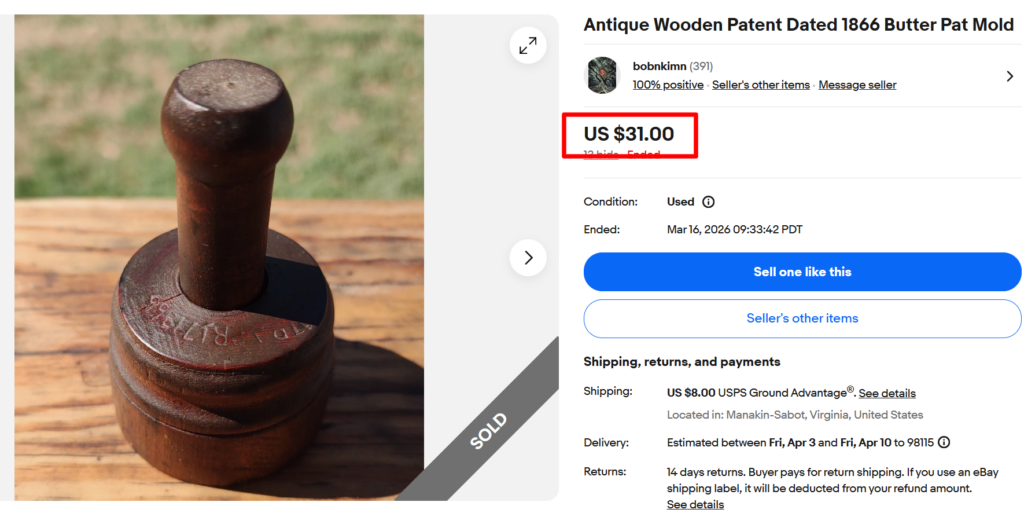
Some European molds, particularly French and Scandinavian ones, may also carry carved initials or date markings on the base.
Condition
Butter molds lived in hot kitchens, getting soaked in water and used constantly. So, cracking, splitting, and woodworm holes are quite common, especially around stress points where the plunger meets the housing.
Hairline cracks, splits, and structural breaks all affect value to different degrees. Hairline cracks are light surface cracks and are usually acceptable if the design is intact, though severe cracks can reduce value.
Splits or structural breaks, however, can significantly reduce value and should be avoided unless the carving is exceptional. Wormwood holes are also common and acceptable unless they’re very deep.
Besides this, look for repairs. Check all joints and fills in good light to spot repaired, replaced, and reattached pieces of wood, which is a bad sign. And lastly, the carved design should be easily legible. Worn-out carvings are not of much value.
Rare Antique Butter Molds to Find Today
Let’s take a look at a few highly collectible antique wooden butter molds and stamps based on different types and designs.
1. Early Carved Cow Butter Stamp
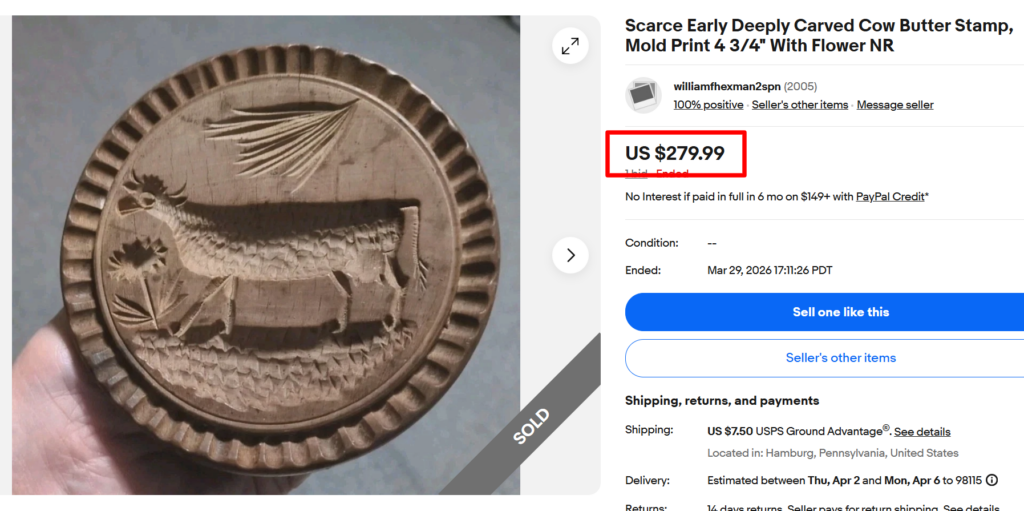
| Average Value | $200–$320 |
| Production Period | Mid 19th century |
| Key Features | Round stamp form, deep carving, scalloped rim |
| Collectibility | Very high |
This is an example of a single mold with a flat or slightly domed wooden disc with a carved design, and often with a simple knob or handle on the back. The majority of flat/singles were produced from the mid-1800s onwards, though earlier ones were hand-carved.
What makes this example shown here worth almost $280 is its design. The cow faces forward in a stylized, flat-carved folk-art manner, with detailed line work across the body.
Cow motifs are the most popular farm-animal designs among collectors. The deep, complex carving (like the added flower) and the scalloped rim also add to the value.
2. American Eagle Peace Butter Stamp
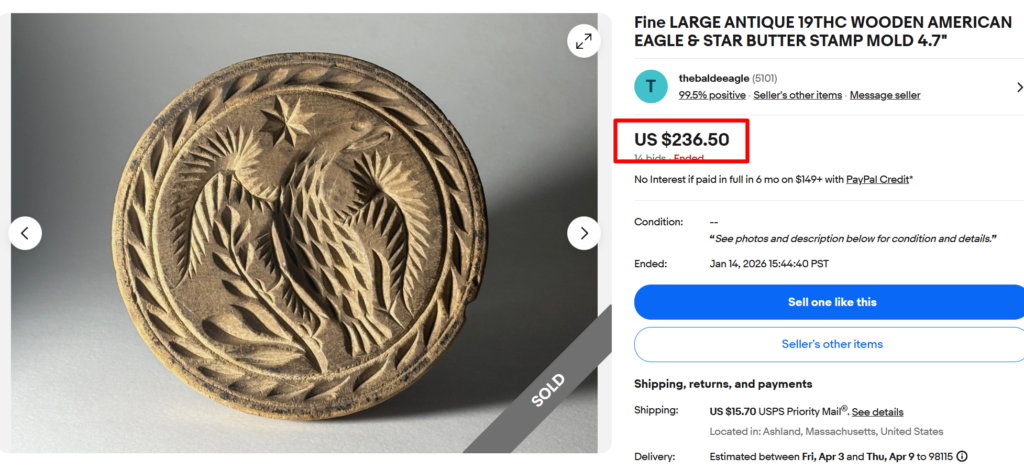
| Average Value | $200 – $280 |
| Production Period | Late 19th to Early 20th Century |
| Key Features | Single-press stamp, Patriotic symbol |
| Collectibility | High |
| Collector Notes | The “serrated” edge identifies the 1800s style. |
Another example of a single-print flat press is this mold featuring an intricate drawing of the American eagle and its olive branch. This is a rare patriotic image that is usually found in American decorative arts of the late 18th and early 19th centuries.
Finding it in a butter mold is quite a discovery.
These molds were often used for special occasions or “show butter” rather than daily market use. Their value comes from historical significance, wood type, and overall carving quality.
3. Lollipop Paddle Butter Mold
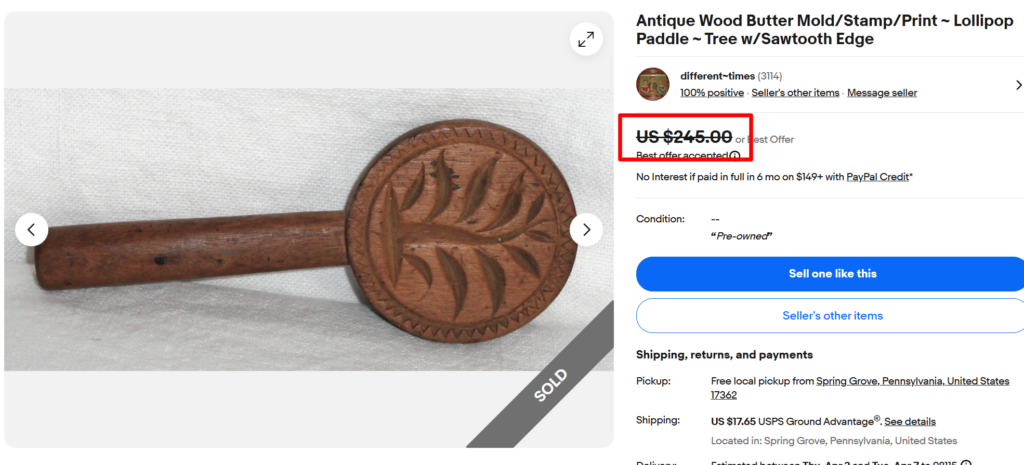
| Average Value | $150–$280 |
| Production Period | Early-to-mid 19th century |
| Key Features | Large round head on a handle |
| Collectibility | Very high |
| Collector Notes | Original handle is crucial for value |
Named for its long, thin handle, the lollipop-style mold was used to slap a design onto the top of a butter mound. These are among the earliest butter stamp formats, with the earliest examples featuring both the handle and the head, both shaped entirely by hand.
This example shows a design of a deeply carved tree with a saw-tooth edge, which connects to a minimalist folk art movement common in rural Pennsylvania. It is important to verify that the handle/paddle is original, as repaired or reattached paddles can reduce value.
4. Multi-Print Butter Mold
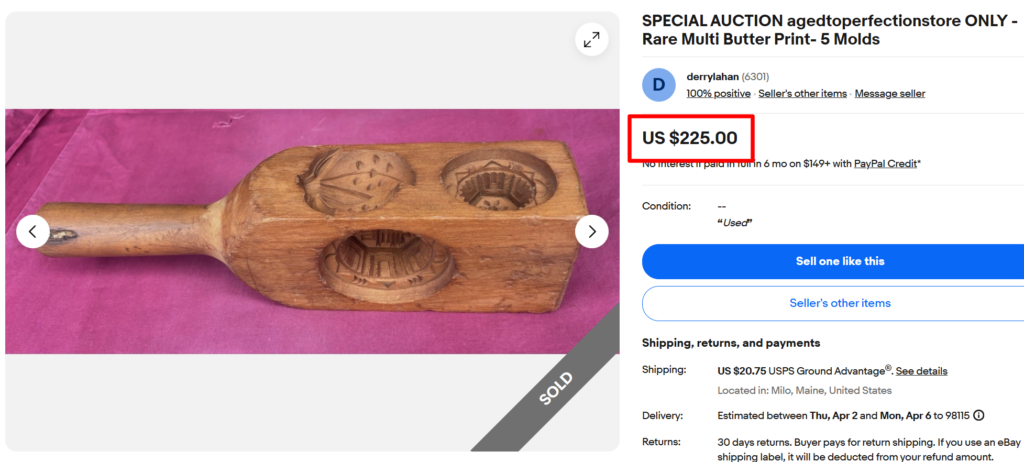
| Average Value | $150 – $240 |
| Production Period | Late 1800s |
| Key Features | Multiple carving molds on a wood block. |
| Collectibility | Very High |
| Collector Notes | Values rise if each of the five designs is unique and clear. |
This is the most unusual format in this list; a single elongated block with five separate mold cavities, each with its own carved design. Multi-print molds were quite functional as they could make several butter pats in a single pressing.
These types of molds are much harder to find today than single stamps because they were more difficult to carve and maintain. Their value also lies in the rarity of each mold design.
5. Beaver Plunger/Ejector Butter Mold
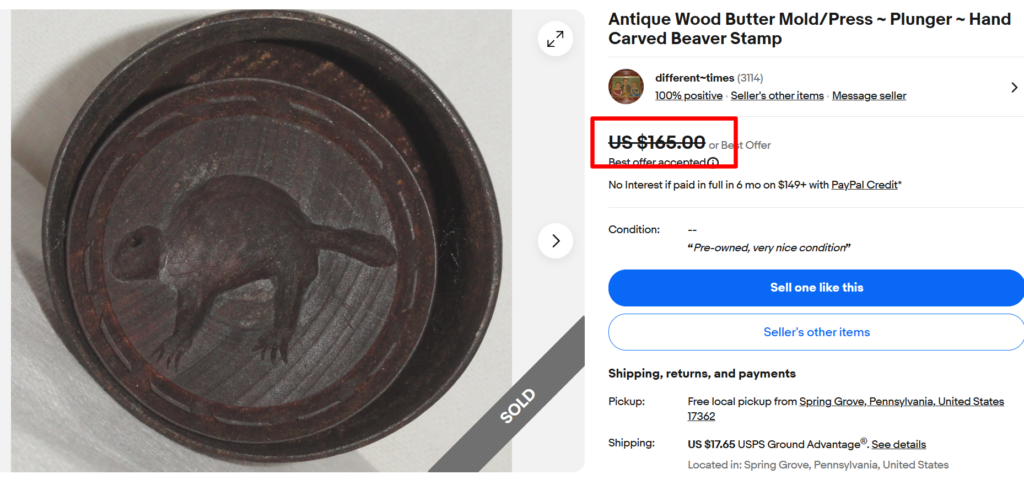
| Average Value | $80–$200 |
| Production Period | Mid-to-late 19th century |
| Key Features | Moving plunger mechanism |
| Collectibility | High |
| Collector Notes | Test the plunger mechanism for value. |
The plunger mold is a classic mechanical design where the butter is ejected by pushing a handle. This example of the plunger type features a beaver, which is why it sold for over $160.
Beaver designs are amongst the most unusual wildlife motifs used on butter molds. Although eagles, cows, and swans are common, the beaver is not as common. In addition, the carving of this piece is deep, and that alone qualifies it for value.
6. Hinged Wooden Cow Butter Mold
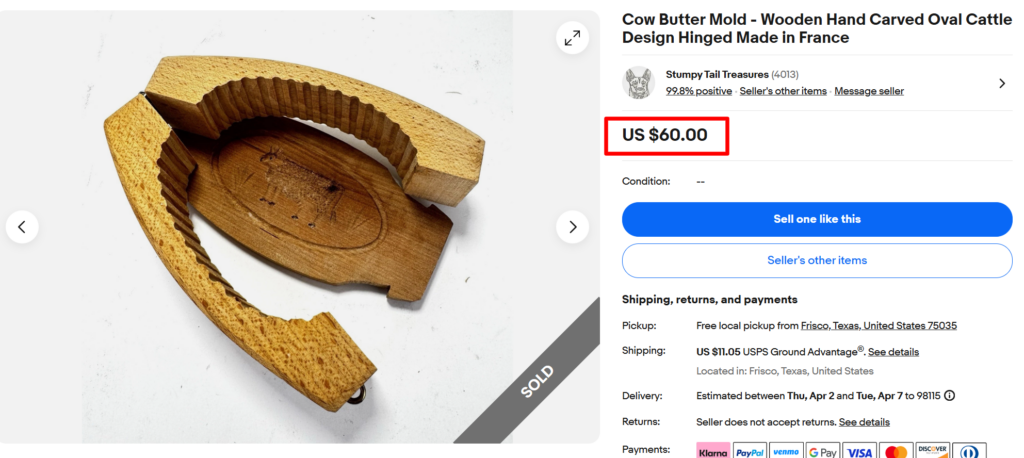
| Average Value | $60 – $80 |
| Production Period | Late 19th Century |
| Key Features | Hinged two-part mold |
| Collectibility | Medium |
| Collector Notes | Original metal hinges add value. |
This is an oval hinged two-part mold, a less common form than the standard plunger type. The two halves are hinged together and close in around the butter, creating a 3D modeled butter block when opened.
These molds were commonly made in France. European molds often have different wood grains and joinery styles than their American counterparts. Also, this one features the iconic cow design, which adds to its desirability.
7. Pineapple Roller Wooden Butter Stamp
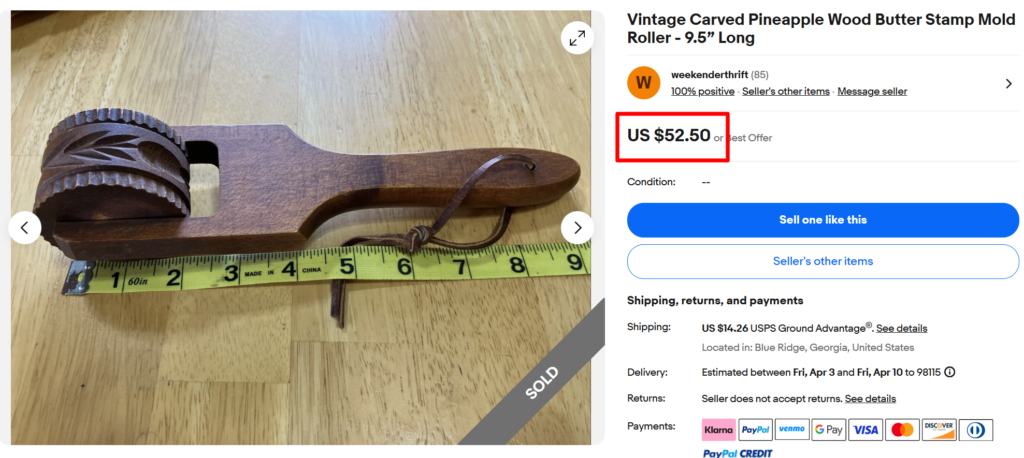
| Average Value | $35 – $60 |
| Production Period | Late 19th Century |
| Key Features | Rolling cylindrical mold with handle |
| Collectibility | Medium to High |
| Collector Notes | A working rolling mechanism is crucial for value. |
Roller stamps were used to create a repeating pattern across a large block of butter. This example shows the most popular pineapple design, a symbol of hospitality.
These types of antique wooden butter molds are rarer than circular stamps because the curved carving was challenging to execute. Examples with more unique designs can sell for even higher prices.
8. Block/Brick Butter Mold
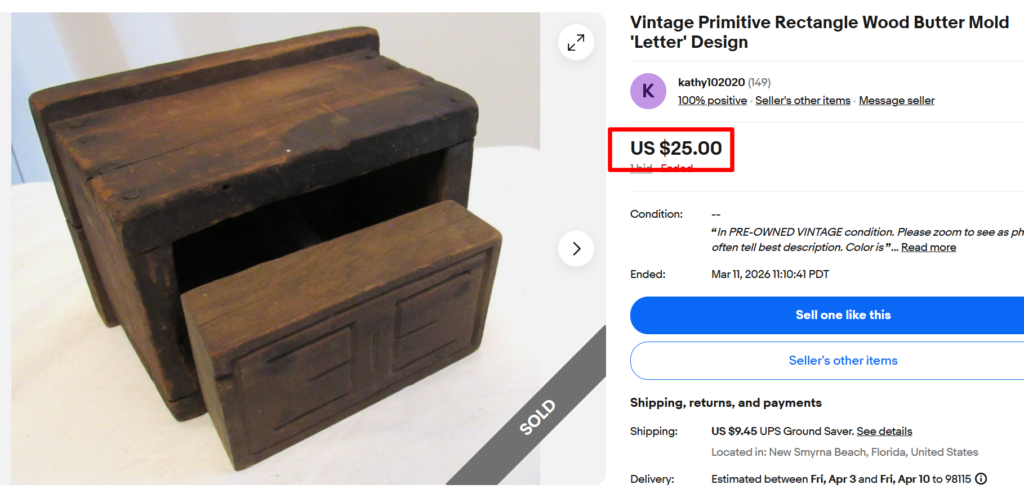
| Average Value | $15 – $35 |
| Production Period | Early 20th Century |
| Key Features | Rectangular form; simple geometric or letter design. |
| Collectibility | Low to Moderate |
| Collector Notes | “Square” nails indicate older construction. |
This is a rectangular box-style butter mold, the kind that shapes butter into a block rather than stamping a round print. It has a hinged lid and a carved letter design on the exterior panel.
Box molds like this one were used to press butter into a brick shape for storage or sale. The letter carving on the exterior was typically a farm or dairy identifier. These molds are more common and sell for modest prices.
Note: This article is intended for informational, educational, and entertainment purposes only. Some images are illustrative and may not represent actual brands, products, or related entities. All trademarks, product names, brand logos, packaging, and other intellectual property referenced remain the exclusive property of their respective owners. Any brand mentions or references are provided solely for descriptive and educational context and do not imply any formal or commercial association.