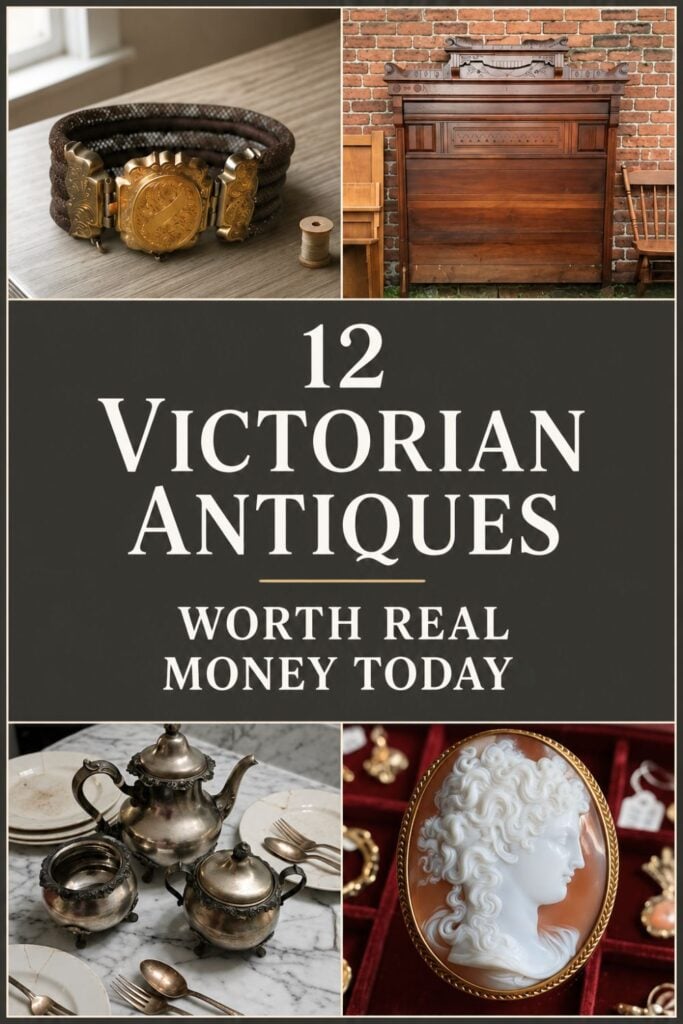
The Victorian era ran from 1837 to 1901, a long stretch covering wildly different styles. Gothic Revival, Rococo Revival, Eastlake, Aesthetic Movement, and Renaissance Revival all fall under the same Victorian umbrella.
Various antiques from this period are quite popular these days among collectors. But most Victorian stuff at estate sales is worth a fraction of what people think.
Here are the most collectible Victorian antique categories that consistently bring real money today, with what makes each one worth finding!
12 Valuable Victorian Antiques to Find in Estate Sales & Antique Stores
1
Victorian Mourning Jewelry
Typically sells for $150 to $2,500+ (rare gold & hairwork pieces: $5,000+)
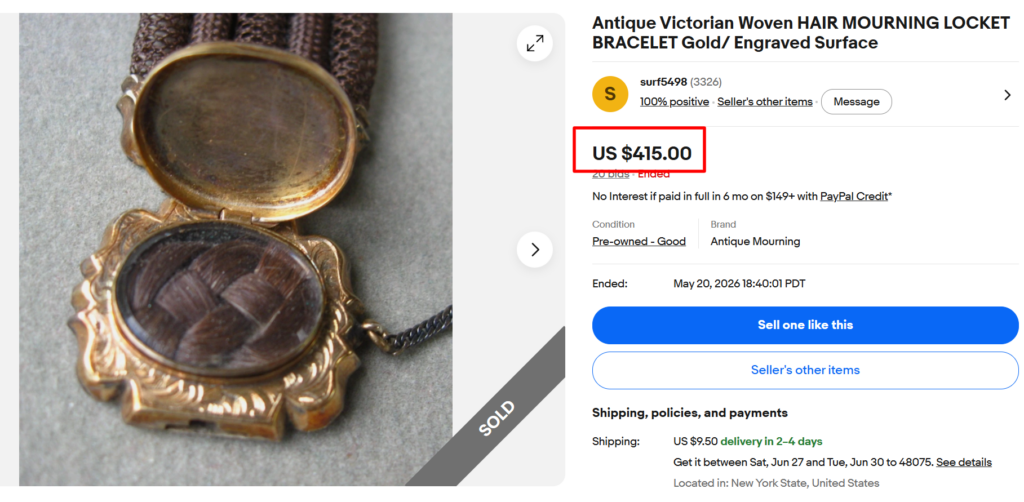
Why It Stands Out: Highly emotional category, distinctly Victorian, strong collector demand
Queen Victoria mourned Prince Albert for forty years, and the whole country followed her lead, which is why mourning pieces, especially brooches and lockets, from this era are so plentiful and so collectible.
Most valuable features:
- Hairwork protected behind glass,
- Name and death date of the person engraved on the reverse
- Whitby jet (soft black stone quarried in Yorkshire), high karat gold
- Seed pearls representing tears
2
Eastlake Furniture
Typically sells for $200 to $800; $2,000+ for fine examples
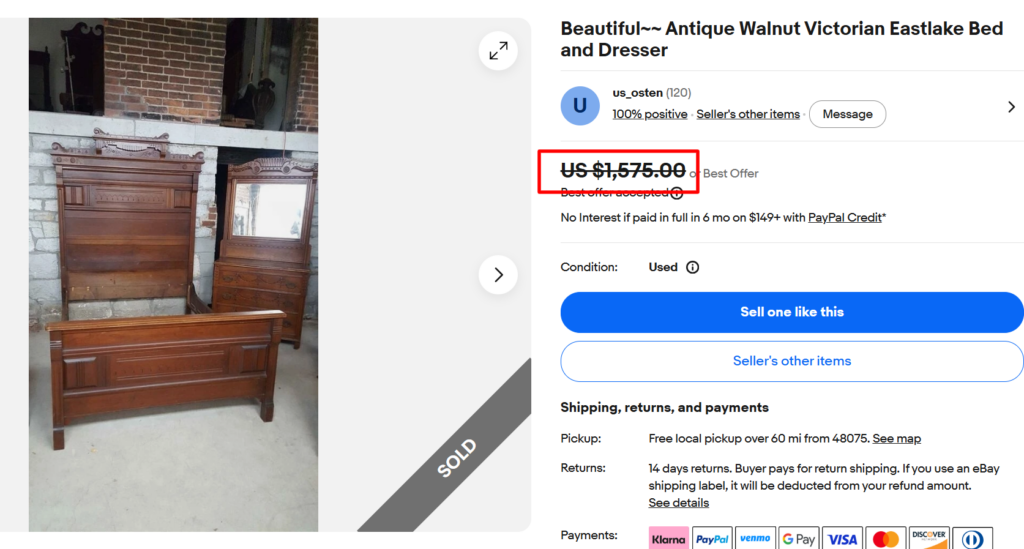
Why It Stands Out: Highest search demand of any Victorian furniture style, easy to identify
Eastlake furniture has the geometric angular look that sets it apart from the curvy Rococo Revival pieces most people picture when they hear “Victorian.” You’ll also see light incised carving rather than high relief, square shapes rather than curves, and walnut and ash rather than rosewood.
The market for Eastlake is steady but not hot. You can pick up a settee for $600 to $800 at a regional auction and a parlor chair for $300. High-quality American Eastlake by Herter Brothers or Berkey & Gay can fetch four figures.
3
Victorian Sterling Silver
Typically sells for $400 to $3,000+ for tea sets and large pieces
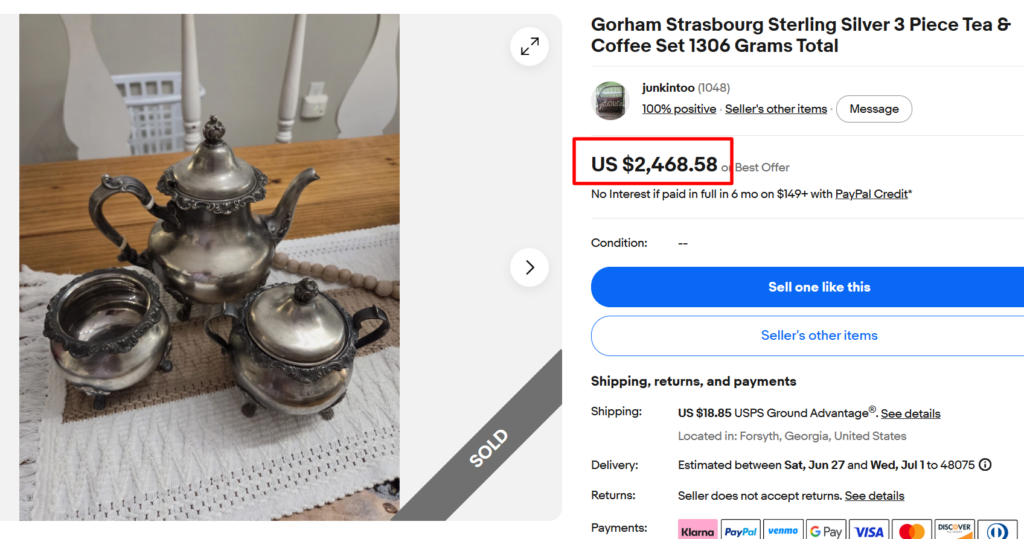
Why It Stands Out: Hallmarked sterling holds value through bullion floor plus collector premium
Sterling silver has a built-in value. Even at the lowest scrap value, the metal itself has its own melt value, plus the Victorian “features” have additional value. The most valuable type is English sterling. Also, it’s hallmarked by law, so authentication and dating are easy.
Full tea services are worth the most, but smaller pieces like card cases, vesta cases, serving spoons, flatware, and dressing table sets all bring good money when the engraving is crisp, and the hallmarks are clear.
4
Victorian Fairy Lamps
Typically sells for $250 to $1,200; $1,500+ (rare case glass)
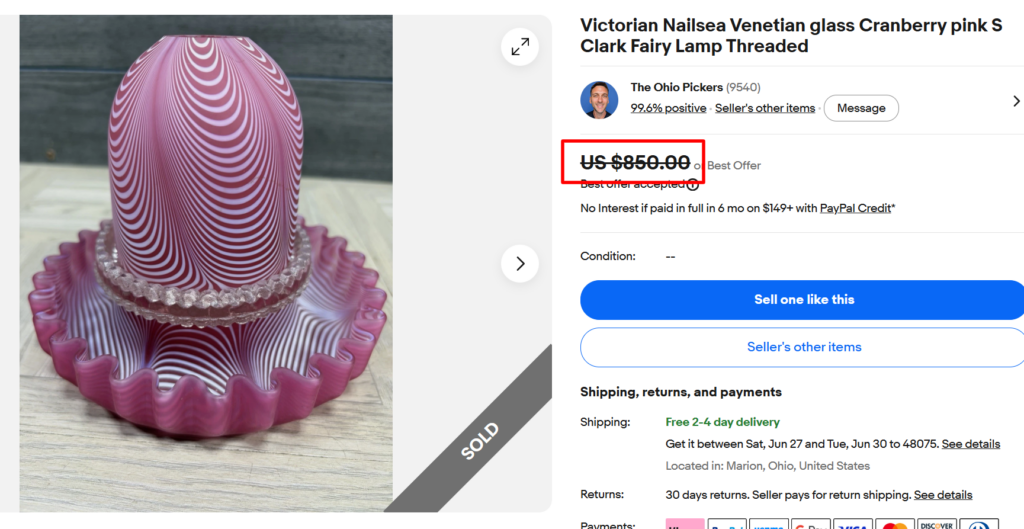
These are small candle lamps with a glass dome sitting in a base, originally designed as safe nightlights. These were mostly made by the same glasshouses that made the finest art glass of the era, which is what makes these so collectible today.
What adds value:
- Rare colors like Cranberry, Burmese (a soft pink-to-yellow gradient)
- Satin glass with diamond-quilted patterns
- Cased glass with floral motifs
Collector’s Note: Originals are almost always hand-blown, while the reproductions are pressed glass.
5
Victorian Settees and Fainting Couches
Typically sells for $600 to $1,500
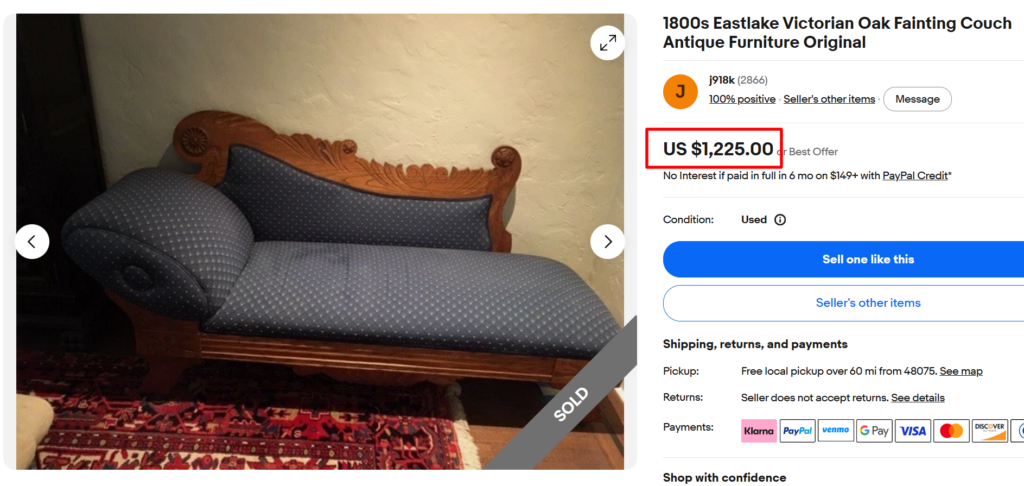
The fainting couch (technically a chaise lounge) is one of those Victorian items that grabs attention even from people who don’t collect antiques, which is part of why they hold value.
Carved walnut Rococo Revival settees with deep floral crests are the prize pieces in this category. Eastlake bustle benches sit just below them. Note that these pieces are expensive to move. The best deal is if you find one priced low at an estate sale near you with a local pickup discount.
6
Victorian Cameo Brooches
Typically sells for $150 to $2,000; Higher for carved hardstone
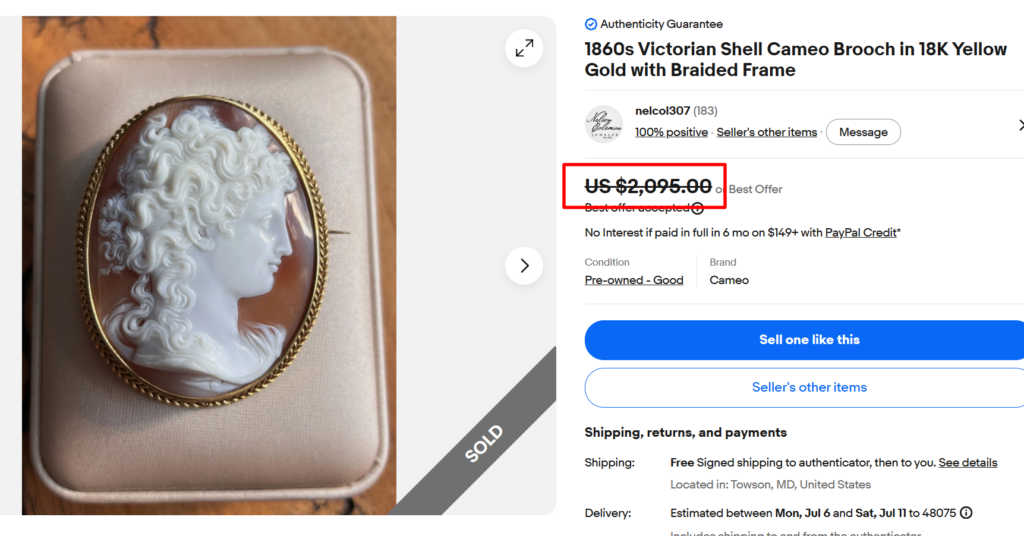
Victorian cameos are one of the most collectible pieces in this category. But it’s also among the most copied jewelry forms in history, which is why the real examples are so valuable. Shell cameos are the most common forms.
The real money lives in:
- Hardstone (carved agate, onyx, sardonyx)
- Lava cameos, which were carved from Mount Vesuvius material as souvenirs for Grand Tour travelers.
- Signed pieces by well-known carvers
But note that you don’t always need a signature to find a valuable piece.
7
Gothic Revival Pieces
Typically sells for $100 to $300 (table items); 400 to $4,000+ (chairs, hall trees)
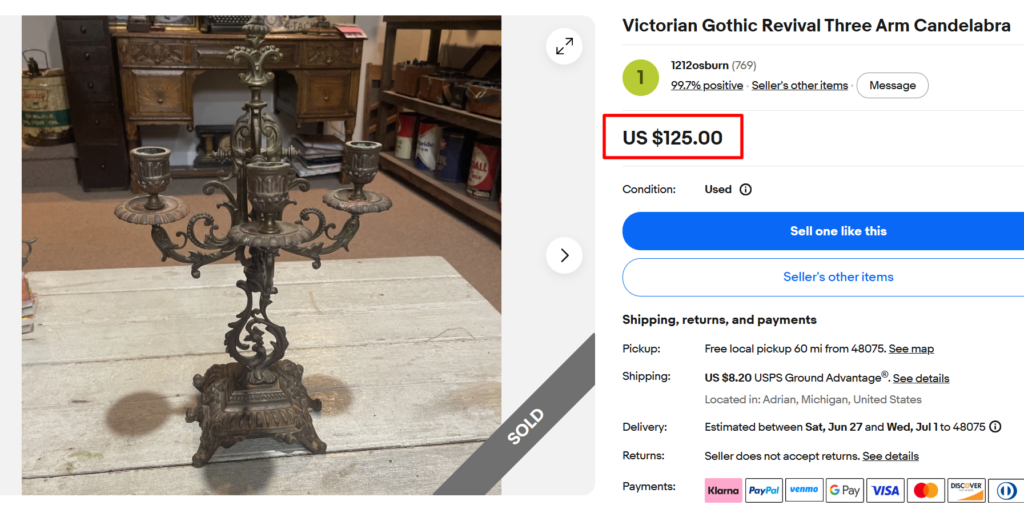
Why It Stands Out: Smaller but fiercely loyal collector base, distinctive visual style
The Gothic Revival style is the churchy side of the Victorian era. You’ll see pointed arches, quatrefoils, dragons, and heraldry. This style has a focused collector base, which makes the prices remain consistent.
Hall trees and bookcases in this style are the most collectible pieces. Small pieces like candlesticks also do well at estate sales. The style also has natural crossover appeal with the goth and dark academia aesthetic crowd, which has brought younger buyers into a market that used to skew much older.
8
Victorian Pier Mirrors and Overmantel Mirrors
Typically sells for $400 to $1,800; more for large carved pieces
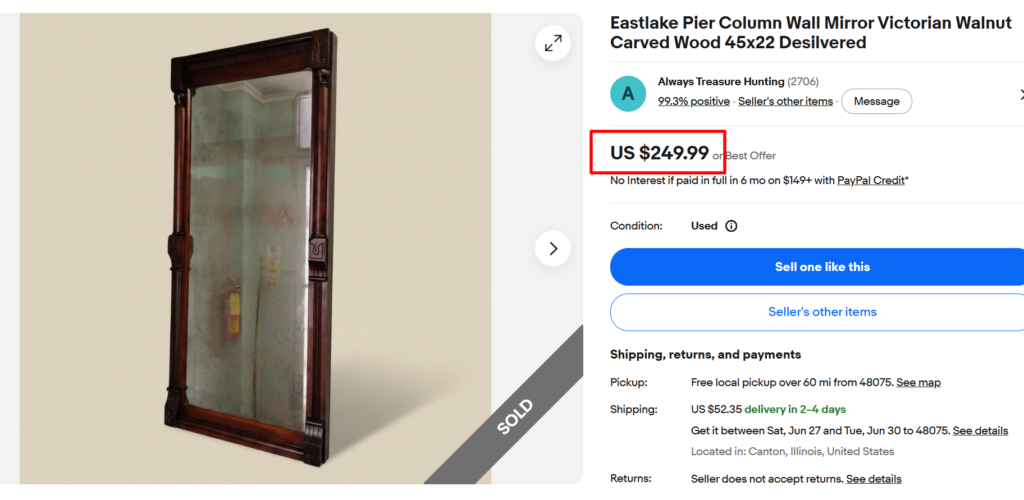
Pier mirrors were the tall, narrow ones to fit between two windows. Overmantel mirrors were designed to sit above the fireplace. Both types used mercury-silvered glass and are quite collectible today, if found in decent condition.
Note that original glass often shows dark spots and cloudiness from age, which is called foxing. And the foxed original glass is more valuable than perfect replacement glass. As for the frame, deep carving, original gilt finish, and good proportions add value.
9
Victorian Photographs, CDVs, and Daguerreotypes
Typically sells for $20 to $200; higher for documented historical subjects
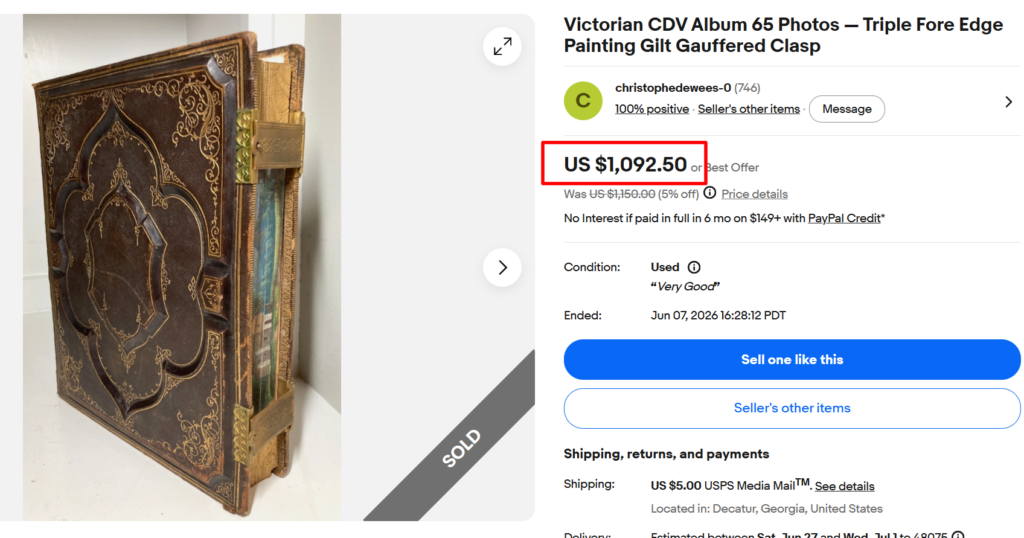
Most Victorian photographs are worth almost nothing because they show anonymous people in stiff studio poses. The exceptions are photos and CDVs with historical events and people.
Examples of valuable pieces in this category:
- A Civil War soldier in uniform
- A working person posed with the tools of their trade
- An outdoor scene showing a building or street
- A portrait of someone from a historically marginalized community
Subject matter is the key for this category. A clear photograph of an interesting person or scene outperforms a beautiful but anonymous portrait. The case also matters CDVs.
10
Victorian Porcelain and Staffordshire Transferware
Typically sells for $75 to $675, more for rare patterns & pieces
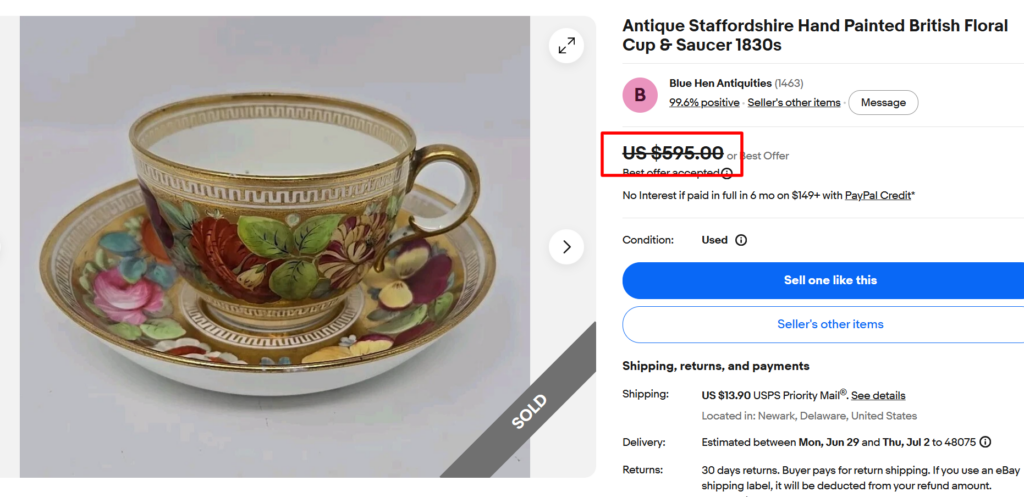
Staffordshire transferware is the easiest Victorian category to start collecting. You might want to go with the standard blue and white, since it’s the most common. Color rarities like mulberry, brown, black, and pink are what you should look out for.
Also, patterns showing historical American scenes from the 1820s to 1840s also command premiums. Staffordshire figurines (the spaniels, whippets, and cottage groups) are a separate sub-category that holds its own steady value.
11
Victorian Majolica Pottery
Typically sells for $75 to $500; $1,000–$5,000+ (fine English pieces)
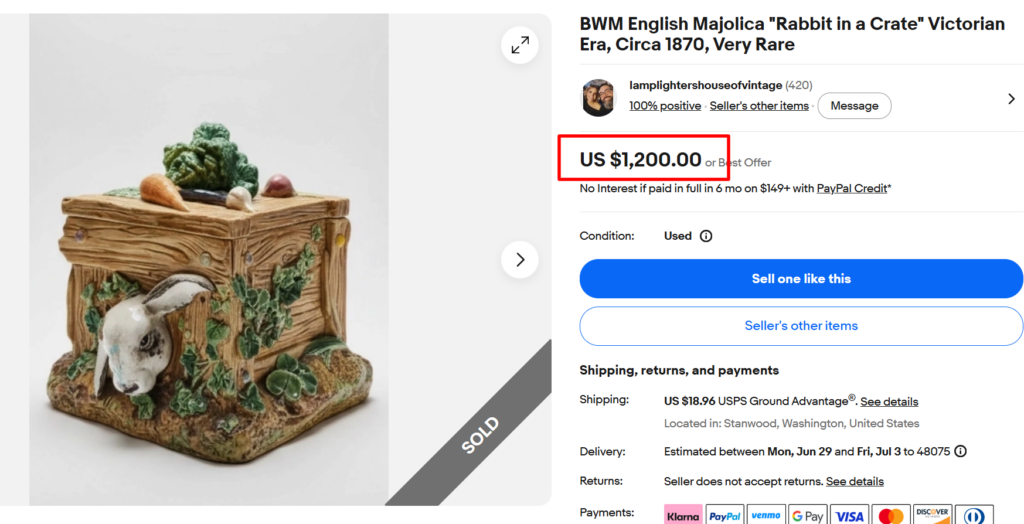
Majolica is the colorful, sculptural pottery. You can instantly recognize it when you see it by the bright glazes in greens, yellows, pinks, and browns, often shaped like cabbage leaves, fish, ferns, sunflowers, or whole animals.
Things that make it valuable:
- Attribution of English makers from the second half of the 19th century
- Sculptural relief work
- Unusual color combinations
- Rare forms like Oyster plates, asparagus servers, game pie dishes, jardinières
Crazing (fine glaze cracking) is normal for Majolica pottery and doesn’t hurt value much, but chips and hairline cracks do.
12
Victorian Oil Lamps
Typically sells for $150 to $800; $1,000+ (hand-painted & art glass)
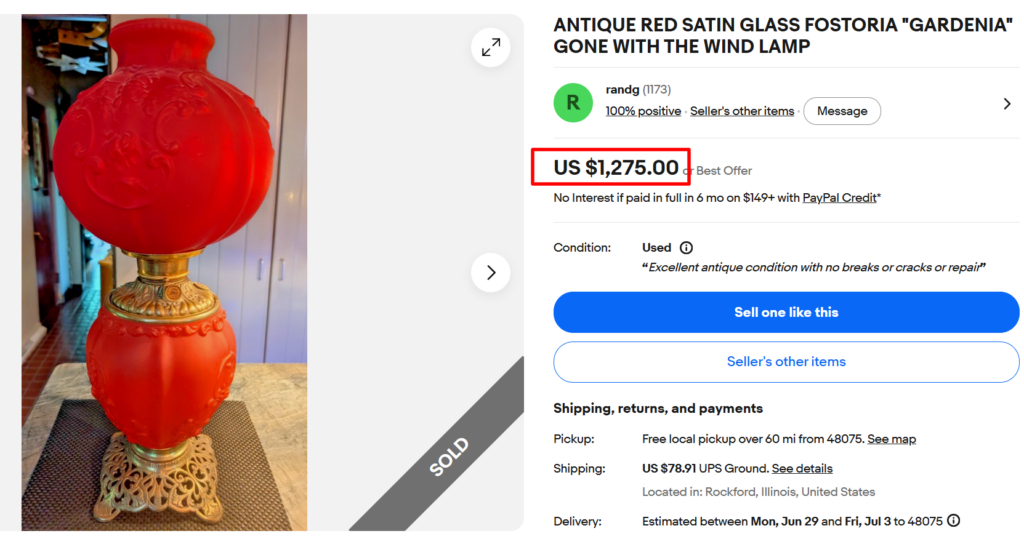
“Gone With The Wind” style lamps, which are named after the movie from 1939 and not from the Victorian period, steal the show in this section. They have two identical glass shades that serve as the shade and font and are mounted on a brass or cast iron base.
They used to be the main attraction of a Victorian parlor, and they remain just as impressive now. Banquet-style lamps and hanging lamps with their original prisms are also quite collectible.
Features to look for:
- Hand-painted scenes
- Art glass in cranberry or satin
- Matched original shade-and-font pairs
- Original burner hardware
Note: This article is intended for informational, educational, and entertainment purposes only. Some images are illustrative and may not represent actual brands, products, or related entities. All trademarks, product names, brand logos, packaging, and other intellectual property referenced remain the exclusive property of their respective owners. Any brand mentions or references are provided solely for descriptive and educational context and do not imply any formal or commercial association.